



6 months16 days to go

FABRICATE 2027

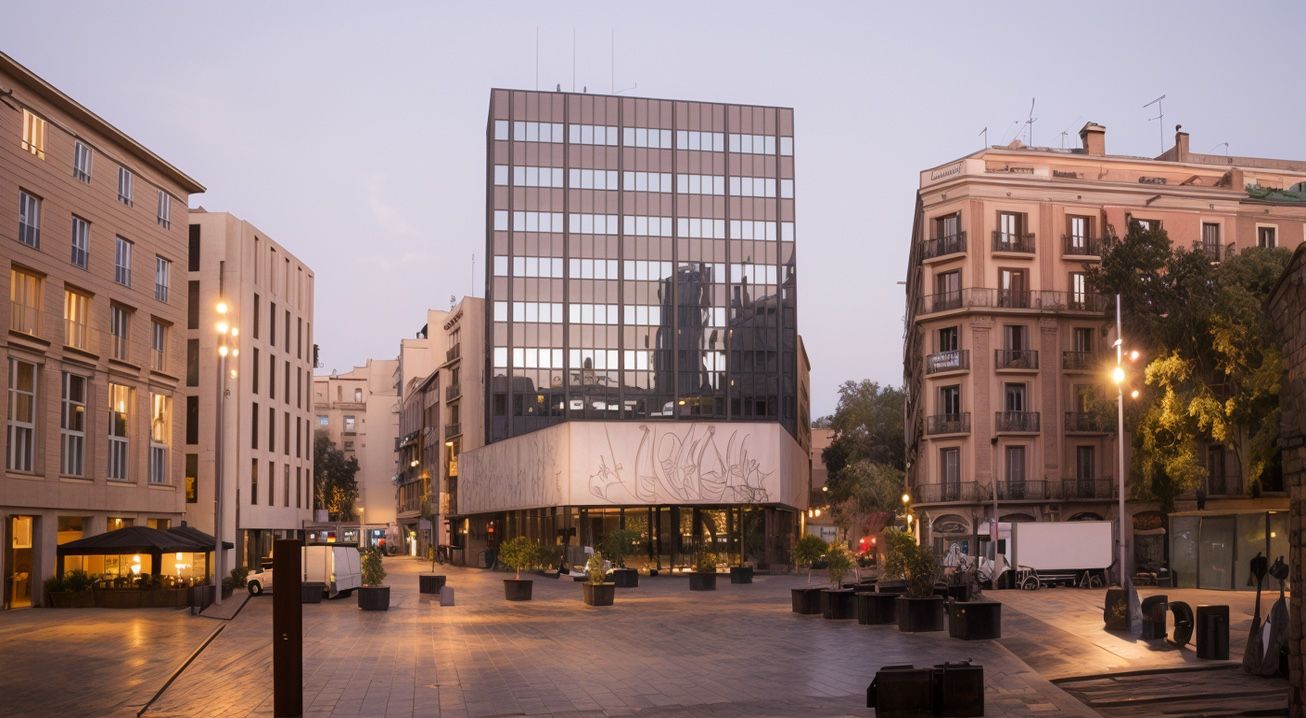
Barcelona 14–15 May 2027 COAC (Col·legi d’Arquitectes de Catalunya)

  • IAAC
  • COAC
  • Fundació COAC

FABRICATE is a world-leading non-profit triennial conference and publication series showcasing internationally peer-reviewed projects in architectural and engineering design, digital fabrication, materials innovation, advanced manufacturing and sustainable construction.

Vision

“Our vision for FABRICATE 2027 is to rethink extractive models of architectural production, to listen to and learn from local contexts and to empower broader communities of designers, makers and builders around the world.”

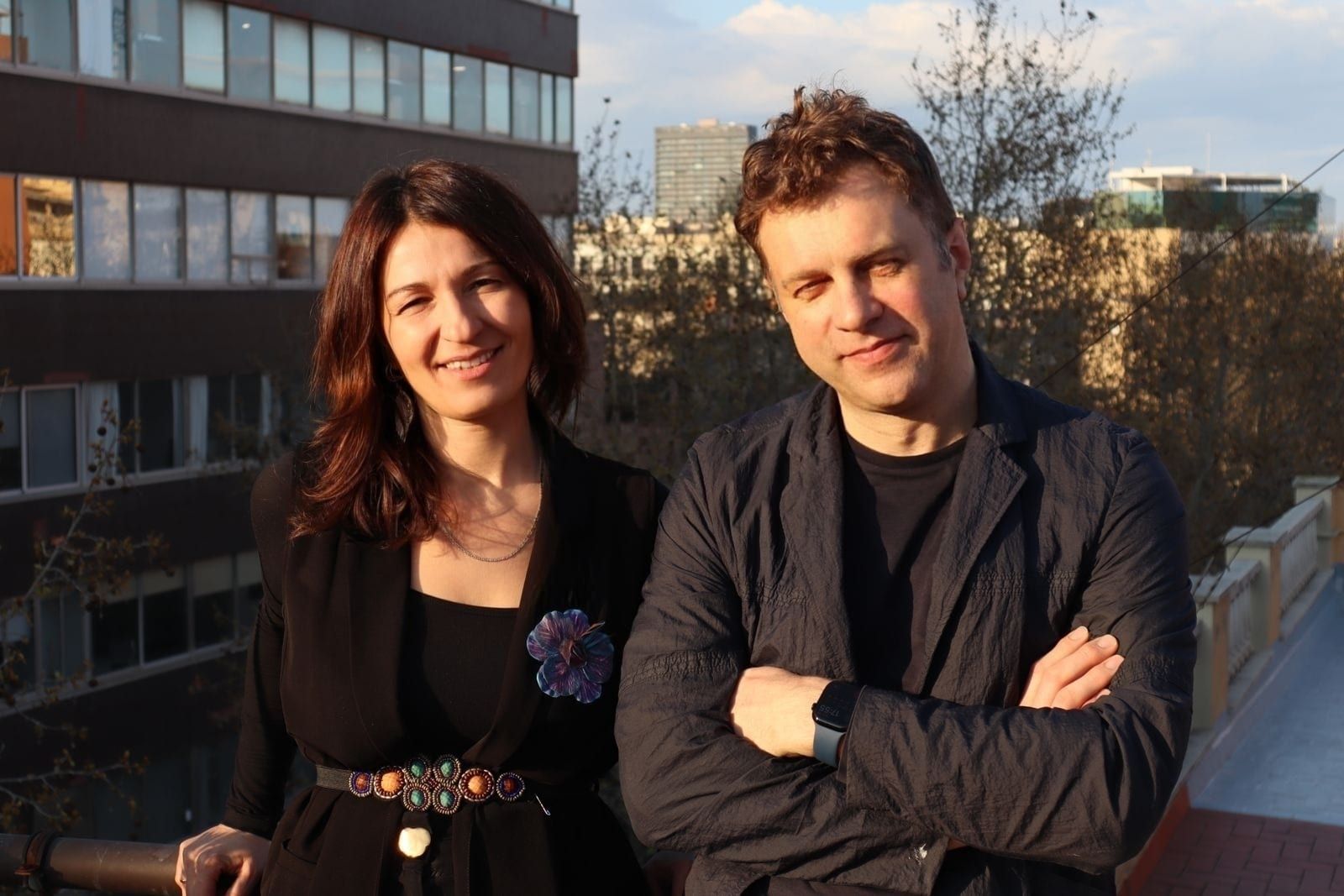
Areti Markopoulou & Xavier De KestelierFABRICATE 2027 Co-Chairs

Read the full statement

Timeline FABRICATE 2027

  1. 1 May 2026Call for Work opens
  2. 3 July 2026Abstract submission deadline
  3. 13 July 2026 00:00 (midnight) BSTExtended abstract submission deadline
  4. w/c 14 September 2026Notification of accepted abstracts
  5. 6 November 2026 00:00 GMTFull paper submission deadlineNext
  6. 19 November 2026Deadline for final edits
  7. 4 December 2026Notification of accepted papers for conference and publication
  8. December 2026Early bird registration begins
  9. 14-15 May 2027FABRICATE 2027 conference, Barcelona

Partnerships FABRICATE 2027

We are looking for partners across levels for FABRICATE 2027.

Benefits of becoming a partner

  • Establish thought leadership by contributing to discourse themes
  • Gain high-value visibility and brand recognition across a key community
  • Strategic networking with international researchers, innovators and leading practitioners
  • Brand presence through complimentary passes and publications, curated interactions and hosted sessions
  • Join a distinguished legacy with a proven platform of excellence with global reach and influence across academia, industry and policy
  • Support future generations of professionals in keeping student delegate costs to a minimum

Get in touch

Co-chairs FABRICATE 2027

Areti Markopoulou & Xavier De Kestelier
  • Areti MarkopoulouBiography

    Dr Areti Markopoulou is a Greek architect, researcher and urban technologist working at the intersection of architecture and digital technologies. She is the Academic Direc­tor at Institute for Advanced Architecture of Catalonia in Barcelona, where she also leads the Advanced Architecture Group – a multidisciplinary research lab exploring how design and science can positively impact the built environment. Her work focuses on redefining cities through an ecological and technological spectrum, merging design with biotechnologies, decarbonising materials, digital fabrication and big data.

    Areti is also the co-founder of StudioP52, an art/tech community-driven gallery activating abandoned industrial warehouses in Barcelona, and she has served as co-editor of the digital platform Urban Next. She has consulted on and developed projects on topics including urban regeneration through data science, material innovation for circular construction and multidisciplinary educational models for the digital age. She is co-founder and Chair of the Responsive Cities International Symposium, academic advisor for the UIA World Congress of Architects 2026 Barcelona Open Call and, alongside Lydia Kallipoliti, has served as Head co-Curator of the 2022 Tallinn Architecture Biennale. Markopoulou is the co-author and editor of Learning Cities: Collective Intelligence Urban Design (Actar, 2022), Edible; Or, the Architecture of Metabolism (TAB, 2022), Black Ecologies (Actar, 2019) and co-author of Building Metabolism (Actar, 2025), supported by the Graham Foundation Grant for Individuals.

  • Xavier De KestelierBiography

    Xavier De Kestelier is an architect and design innovator, currently Head of Design at international design practice Hassell. With a career spanning over two decades, he has been at the forefront of computational design, digital fabrication and additive manufacturing, leading transformative projects across architecture and extreme environments. A pioneer in space architecture, Xavier has collaborated with NASA and the European Space Agency (ESA) on visionary concepts for extraterrestrial habitats, pushing the boundaries of sustainable design beyond Earth. His expertise in parametric design and digital construction has positioned him as a leader in the industry, shaping the future of architecture through cutting-edge research and real-world applications.

    Beyond his work at Hassell, Xavier was a Director of Smartgeometry, a non-profit international educational organisation dedicated to computational design and digital fabrication that ran conferences between 2003-2018. He has played a pivotal role in fostering a global network of specialists in these fields. His passion for education and knowledge-sharing is reflected in his academic roles at Syracuse University, University of Ghent, IAAC and The Bartlett, where he has mentored the next generation of architects and innovators. Notably, he has also led work on the Bidi Bidi Performing Arts Centre, the first cultural building in Bidi Bidi, one of the world’s largest refugee settlements, demonstrating his commitment to socially impactful architecture. Xavier continues to drive innovation and push the limits of architectural design, merging technology, sustainability and human-centred solutions for both Earth and beyond.

Keynotes FABRICATE 2027

Anupama Kundoo
Photo Credits: Andreas Deffner

Anupama Kundoo

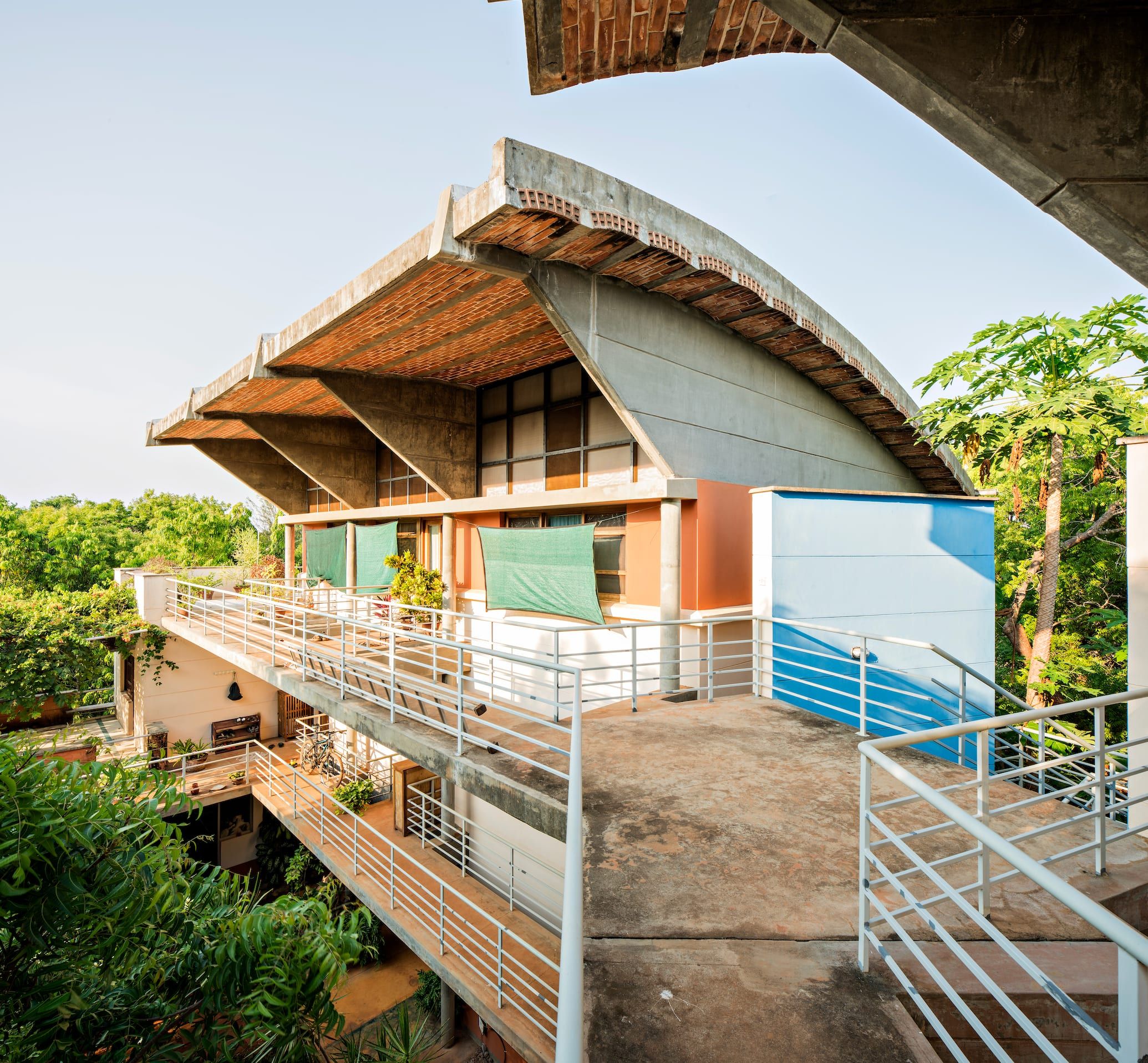
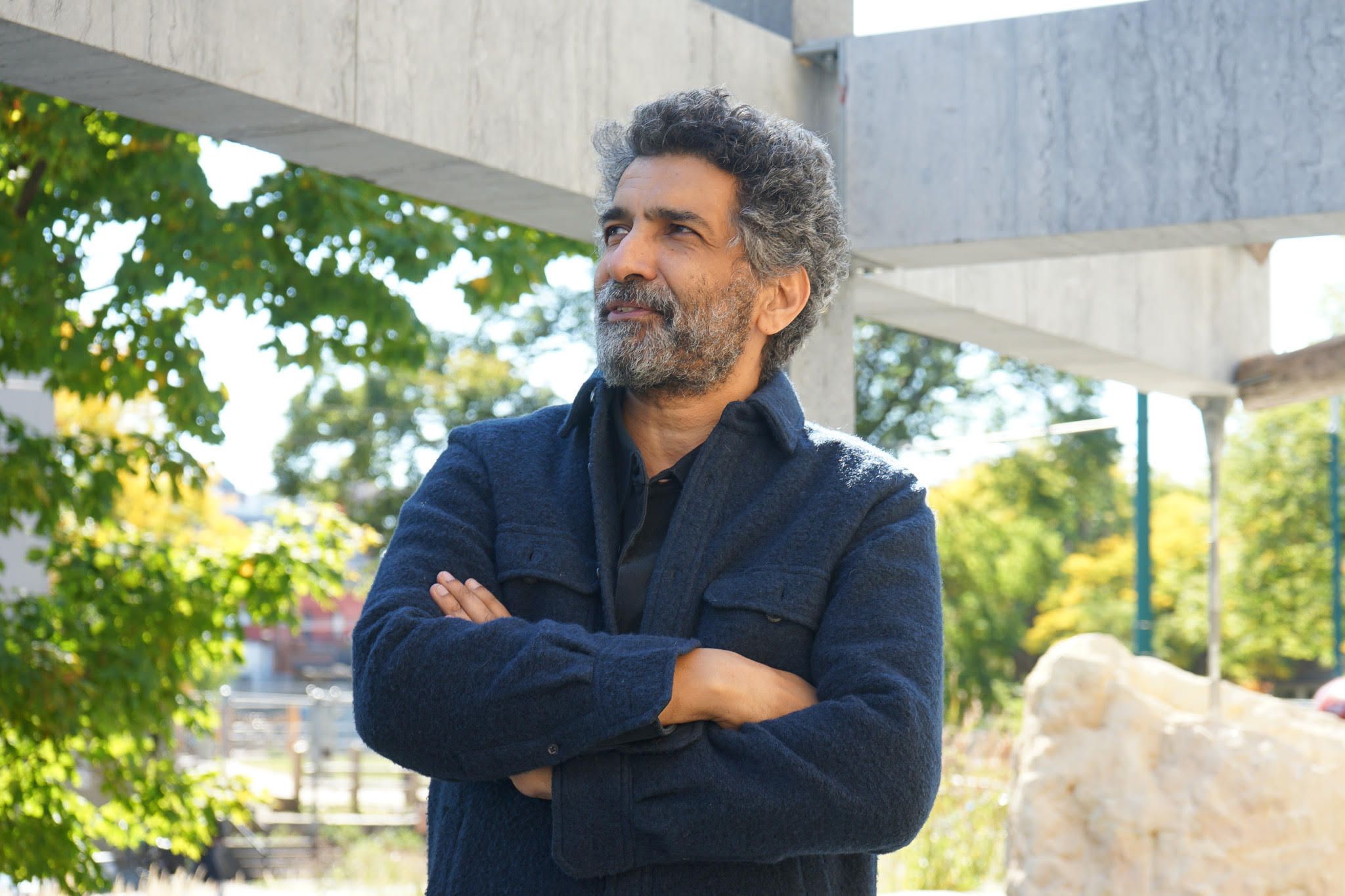
Anupama Kundoo‘s research-oriented practice, which started in India in 1990, has generated people-centric architecture based on spatial and material research for low environmental impact while being socio-economically beneficial. She received the 2021 RIBA Charles Jencks award for her contribution to architectural theory, the 2021 Auguste Perret Prize for architectural technology, and the Global Award for Sustainable architecture under UNESCO patronage in 2022. Anupama Kundoo graduated from University of Mumbai in 1989 and received her PhD degree from TU Berlin in 2008. Her studios are based in Berlin in Germany, and Pondicherry in India. Kundoo’s rigorous research and experimentation in new materiality for architecture is the result of questioning basic assumptions, construction habits that humanity has adopted during the long process of industrialization. Critically examining how the time value of money nudged us towards code-based design, over-standardization and industrialized production of building components, she instead looks at consumption of finite natural resources alongside their impact on human wellbeing and evolution of human society. Rather than focussing on shortage, she seeks abundance through investing in human resources and human resourcefulness, such as ingenuity, time, skills, care and sense of community. She believes that ‘The act of building produces knowledge just as the resulting knowledge produces buildings’.

Selected work
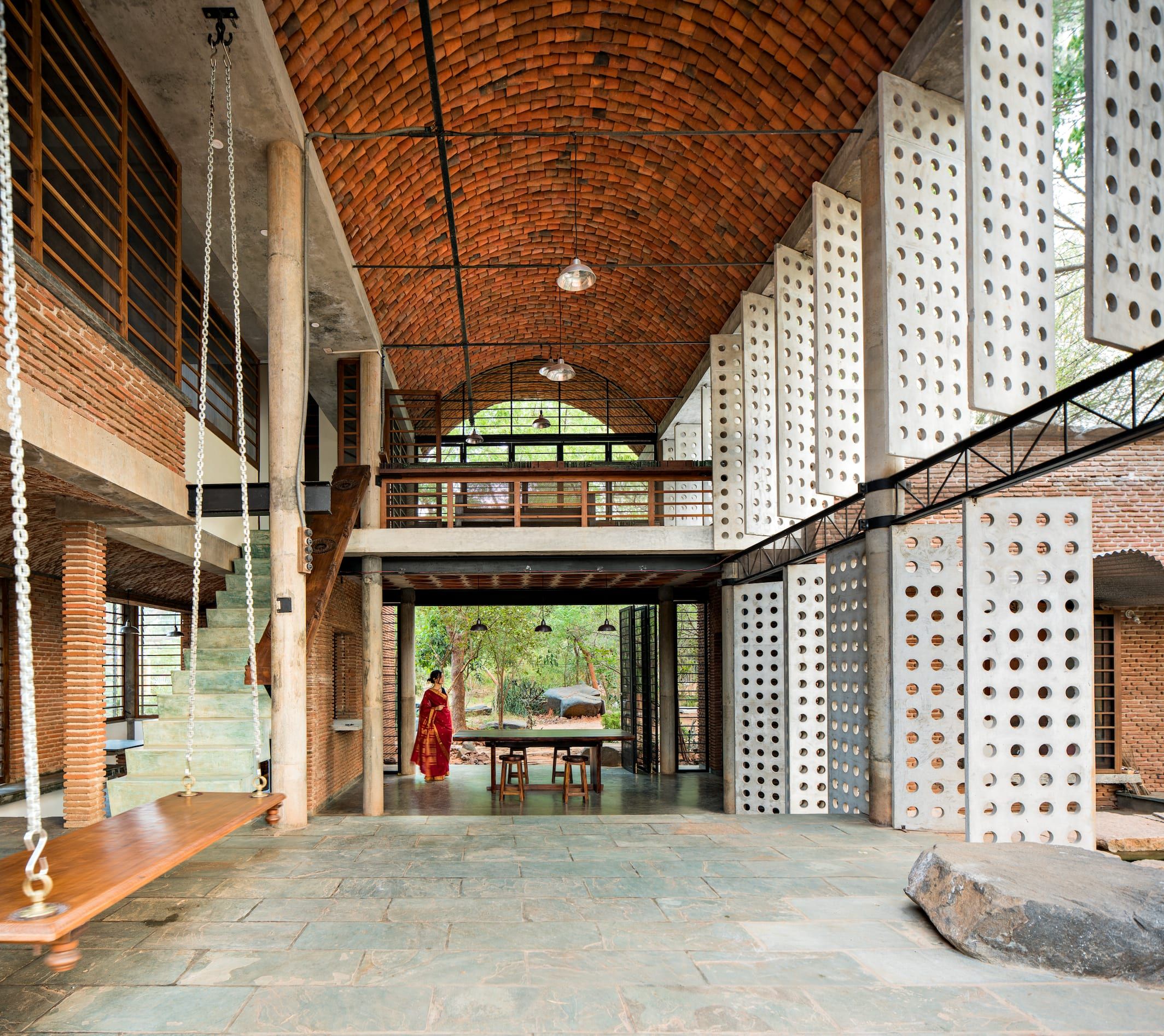
  • Wall House
    Wall House, photo by Javier Callejas
  • Urban Eco Community
    Urban Eco Community, photo by Javier Callejas
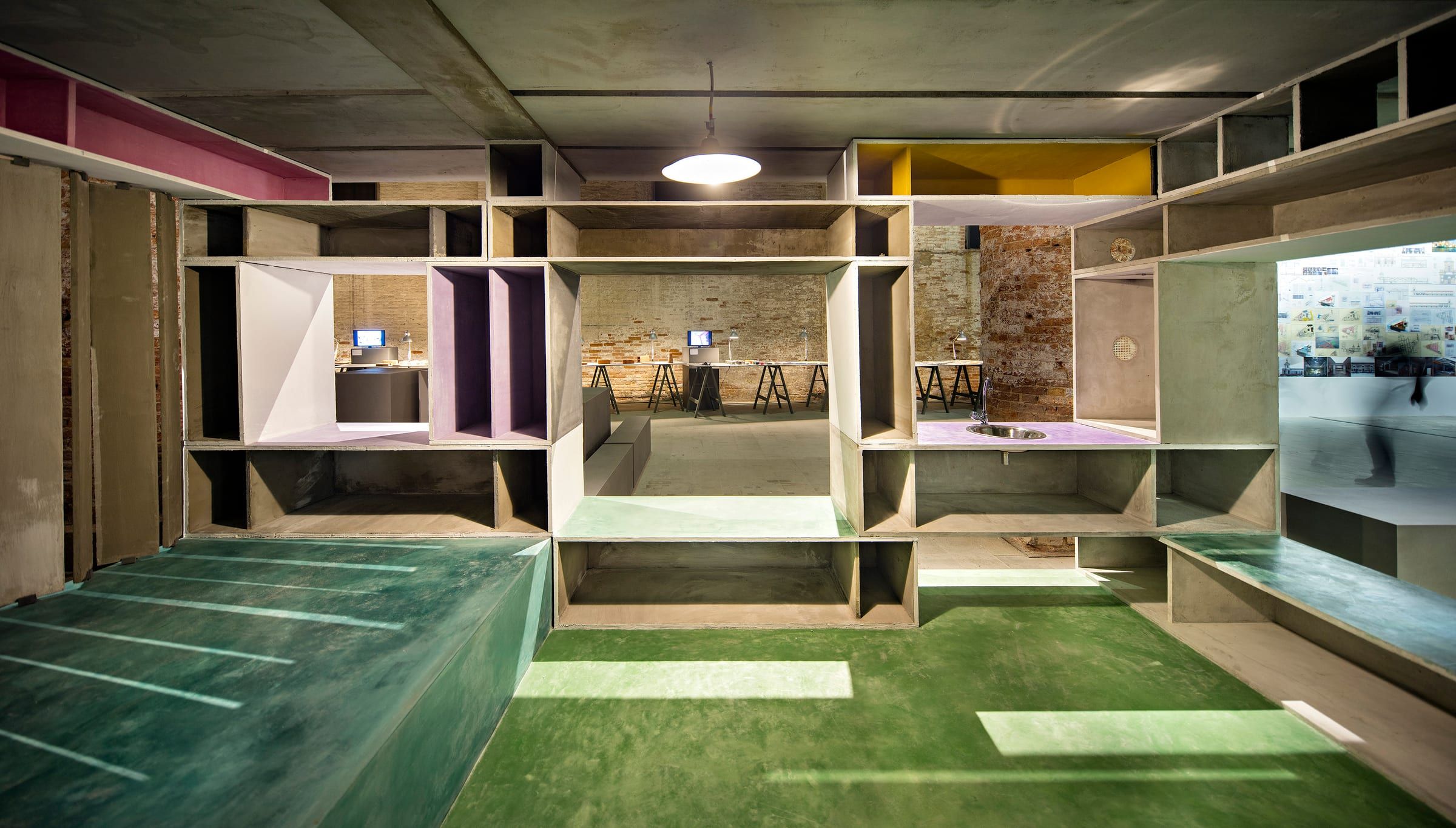
  • Full Fill Homes
    Full Fill Homes, photo by Javier Callejas
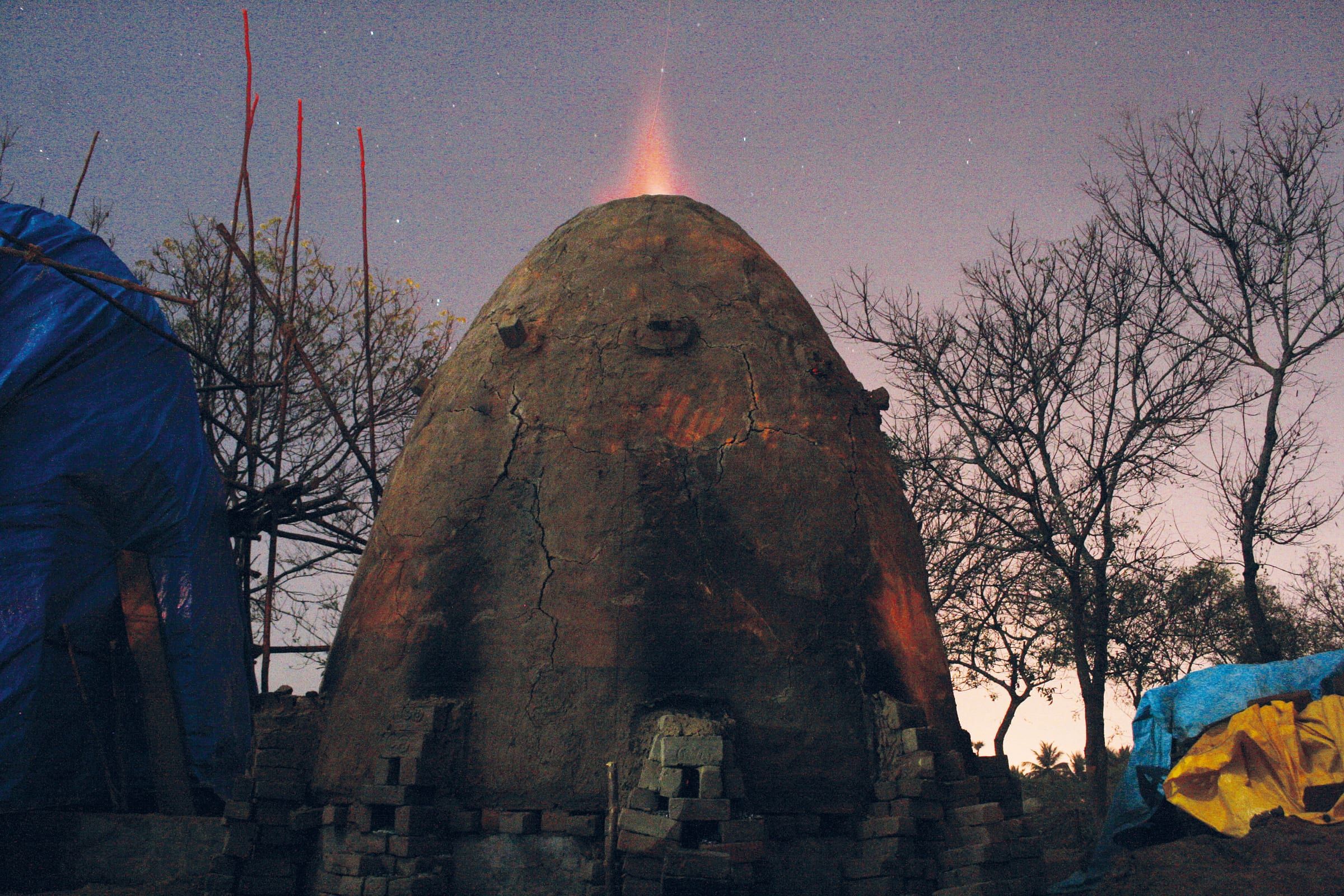
  • Baked Insitu Homes for homeless children Volontariat
    Baked Insitu Homes for homeless children Volontariat, photo by Andres Herzog
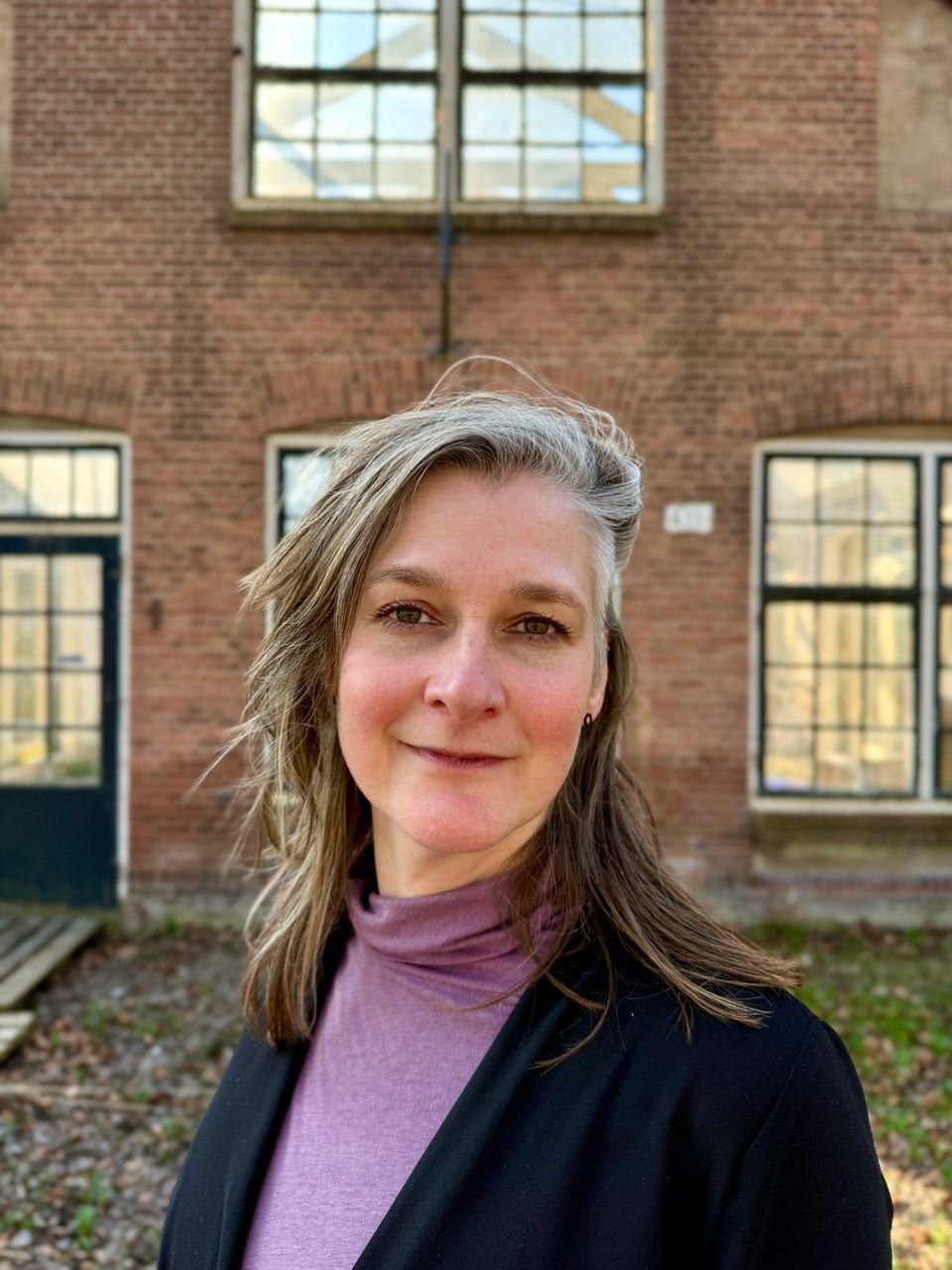
Hester van Dijk
Photo Credits: Hester van Dijk

Hester van Dijk

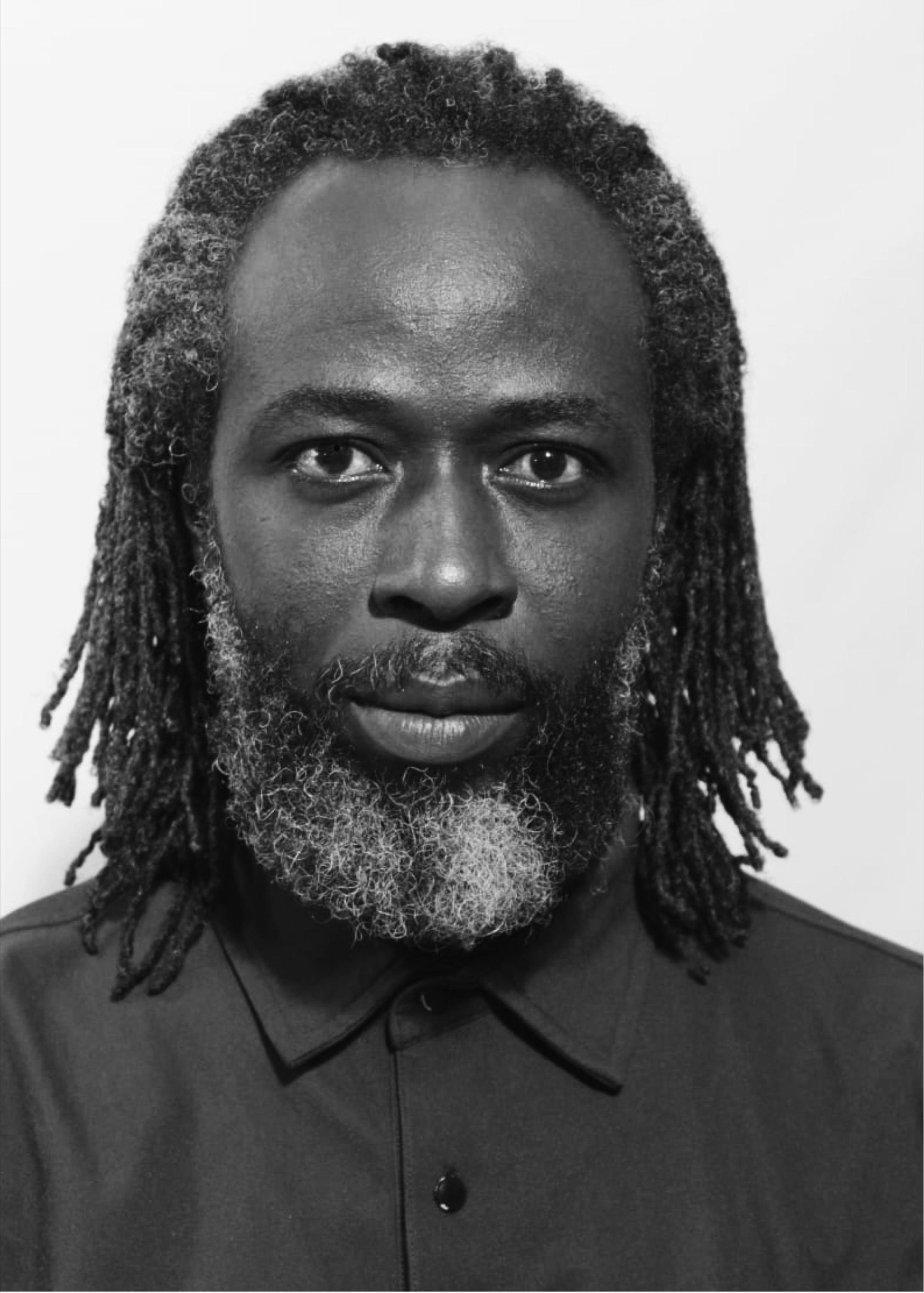
Hester van Dijk (b. 1982) is a spatial designer and co-founder of Overtreders W, a design studio based at the Hembrugterrein in Zaandam, the Netherlands. Together with Reinder Bakker, she designs temporary and circular spatial structures: demountable, reusable, and built from biobased, recycled and locally sourced materials. Rather than consuming resources, the studio borrows and leases them. The work is experimental and poetic, driven by the conviction that sustainable building can be as compelling as it is responsible.

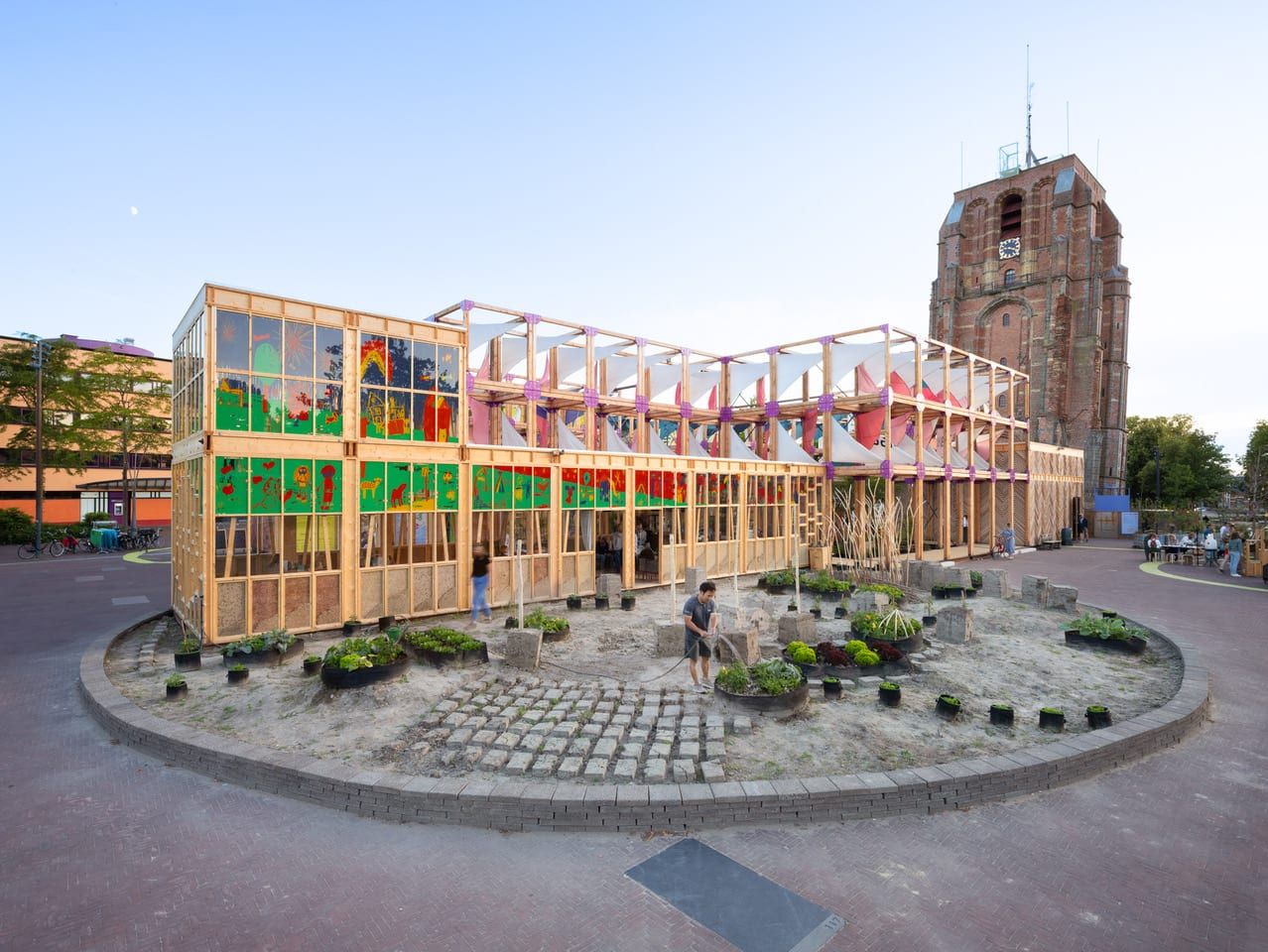
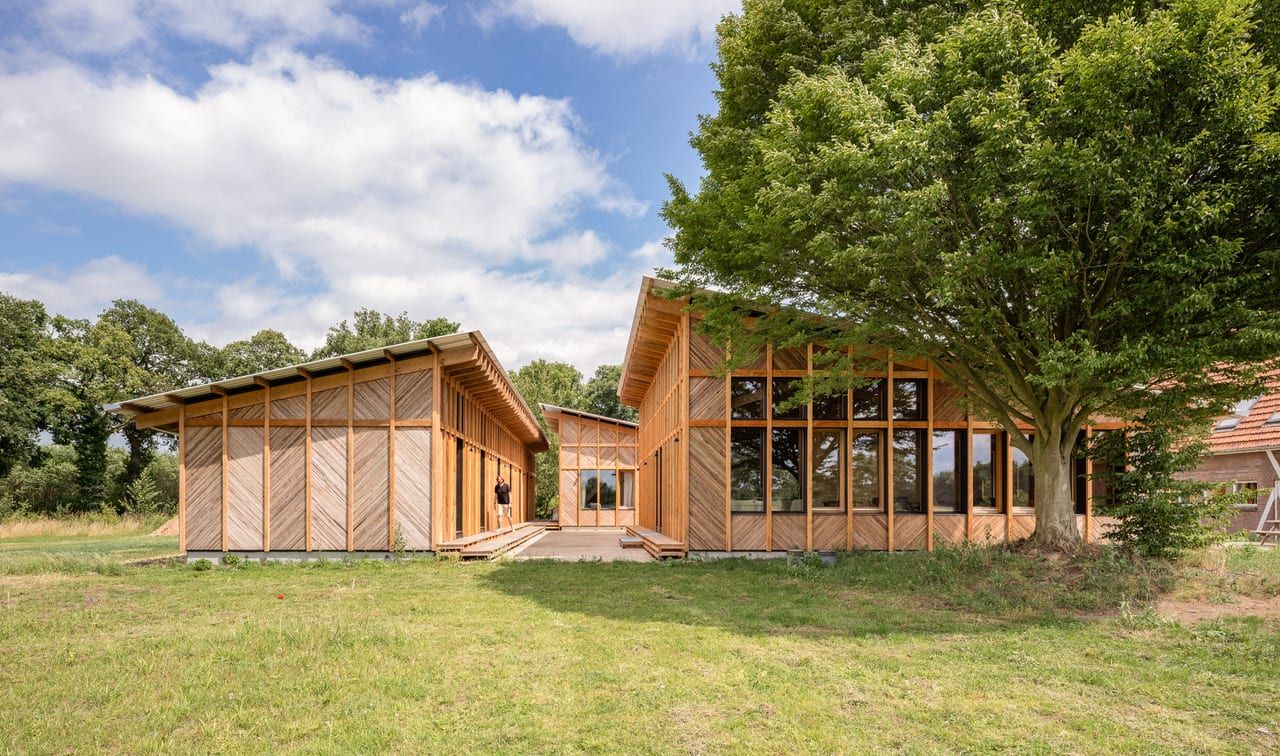
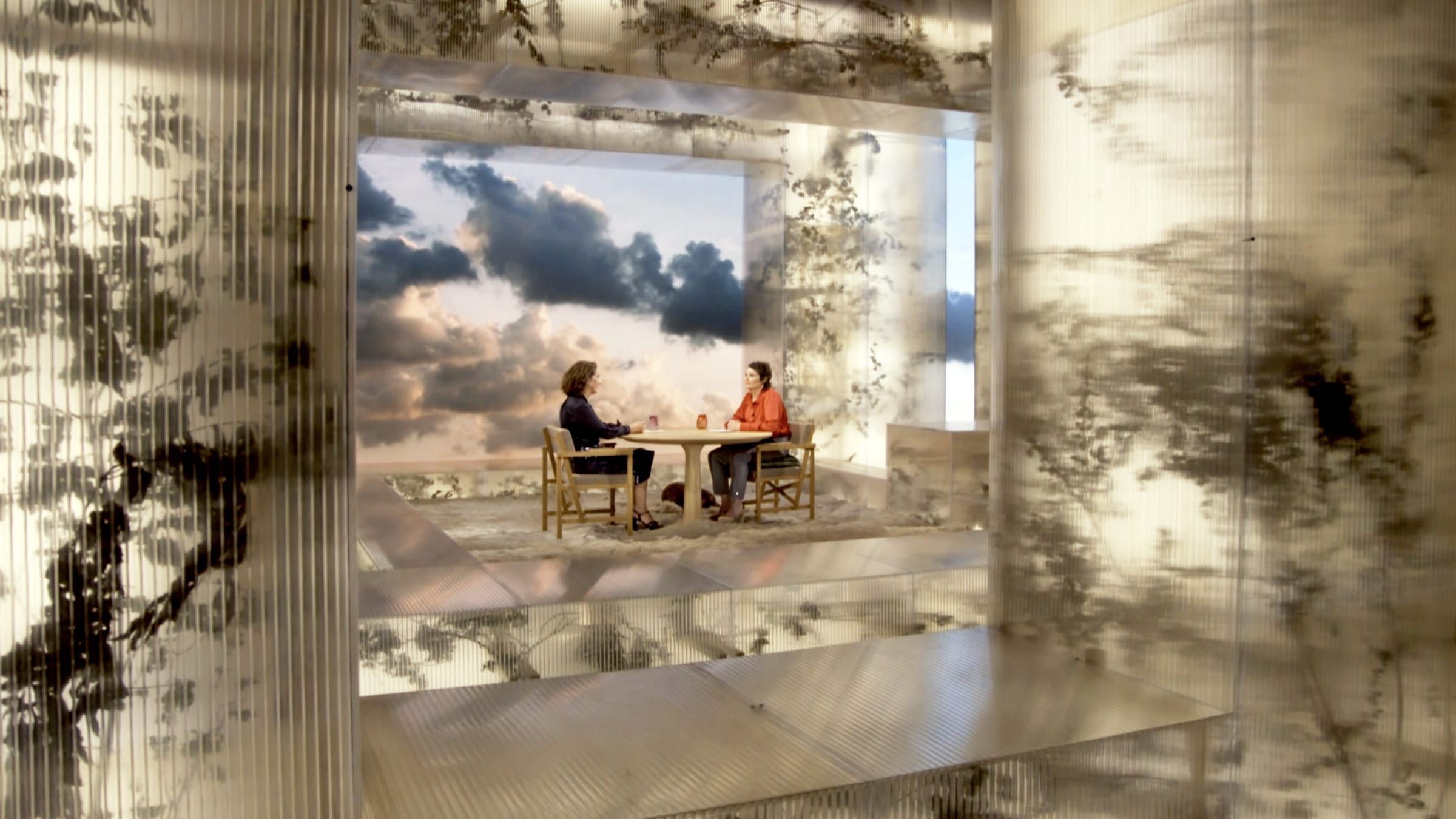
Recent projects include Bouwurk (Leeuwarden, 2025), a temporary community cathedral built with over 5,000 Frisians from local clay, wool and residual materials; The Place to Be (Zelhem, 2025), a fully biobased retreat centre and Overtreders W’s first permanent project; and the set design for VPRO Zomergasten (2025), constructed from second-hand polycarbonate and pruning waste.

Hester is also co-founder of Pretty Plastic, which develops facade cladding from 100% recycled plastic waste. In 2026 she was nominated for the Moira Gemmill Prize for Emerging Architecture, part of the international W Awards.

Selected work

  • Bouwurk
    Bouwurk: design: Overtreders W, photo: Jorn van Eck
  • The Place to Be (JVE_VE_4052)
    The Place to Be (JVE_VE_4052): Overtreders W, photo: Jorn van Eck
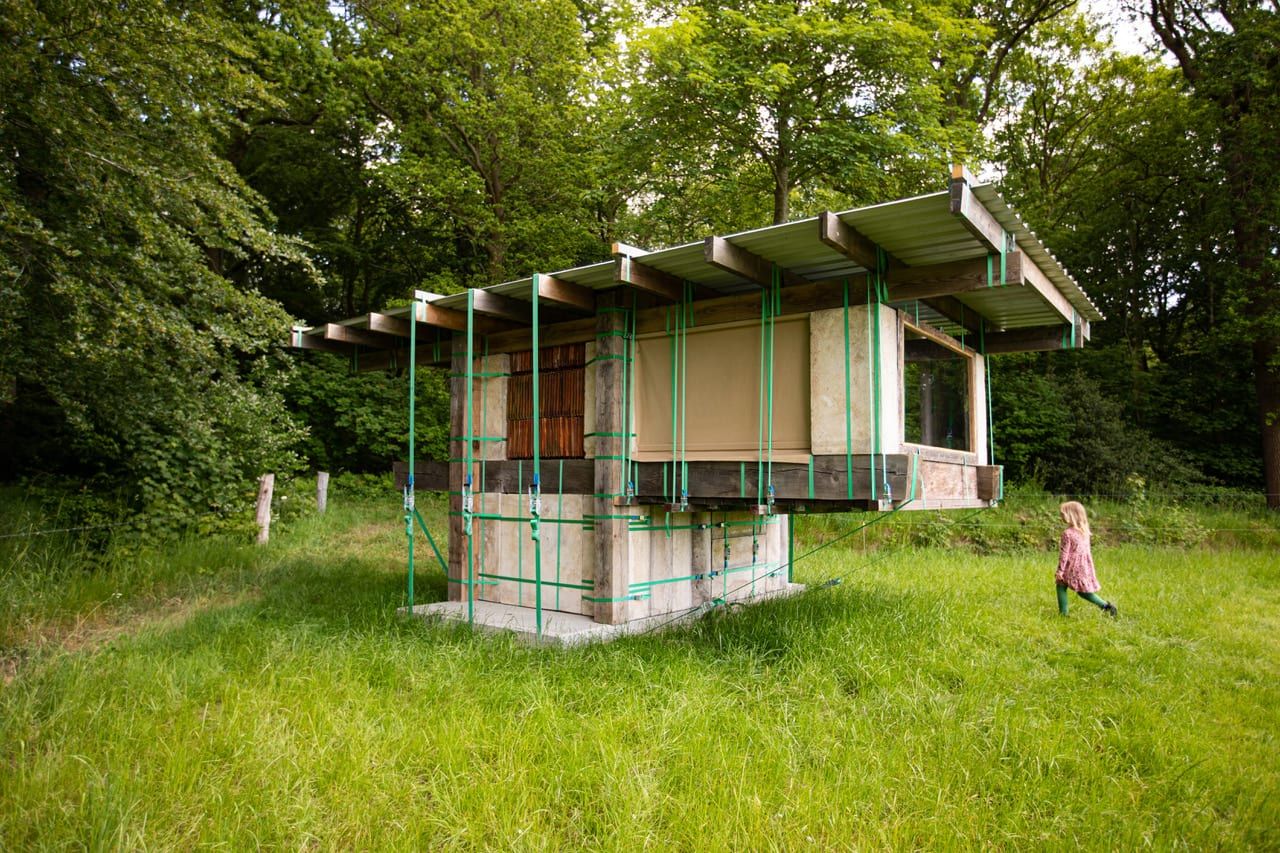
  • Stable Stack (Veen | huis | hotel)
    Stable Stack (Veen | huis | hotel): design: Overtreders W photo: Overtreders W
  • Zomergasten
    Zomergasten: design: Overtreders W, photo: VPRO
Amin Taha

Amin Taha

Amin Taha is a practicing architect, educator, and GROUPWORK chairperson. With Nerissa Yeung and Alex Cotterill directs a postgraduate studio at the Royal College of Art, recently joined Daniels Faculty of Architecture, University of Toronto as the 2026/27 Frank Gehry International Visiting Chair in Architectural Design, and has also been a visiting professor at Harvard University’s Graduate School of Design (GSD) and the Norman R. Foster chair at the Yale School of Architecture.

His professional work is informed by a longstanding interest in architecture’s social and environmental responsibilities, themes that continue to shape both his practice and teaching. Through GROUPWORK’s employee-owned structure, architects, landscape architects and engineers work as equal partners, advancing new approaches to conservation, ethical design and low-carbon construction. The studio has been four times midlist and twice short-listed for the Royal Institute of British Architects (RIBA) Stirling Prize, the UK’s highest architectural honour, and has gained international recognition for projects that challenge conventional approaches to construction, conservation and sustainability.

Alongside his professional academic practice, Taha also acts as a trustee of the Sir John Soane’s Museum, chair of its annual Soane Medal and sits on sustainable development advisory boards of two property funds.

Christian Kwame De-Heer

Christian Kwame De-Heer

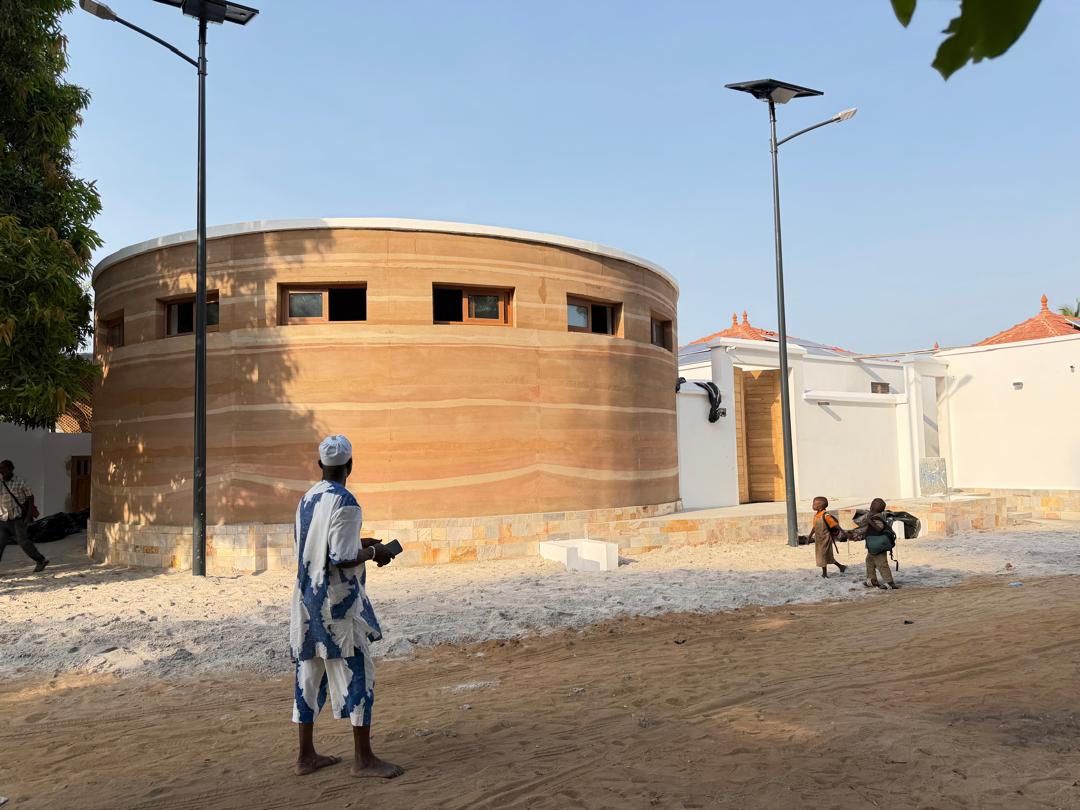
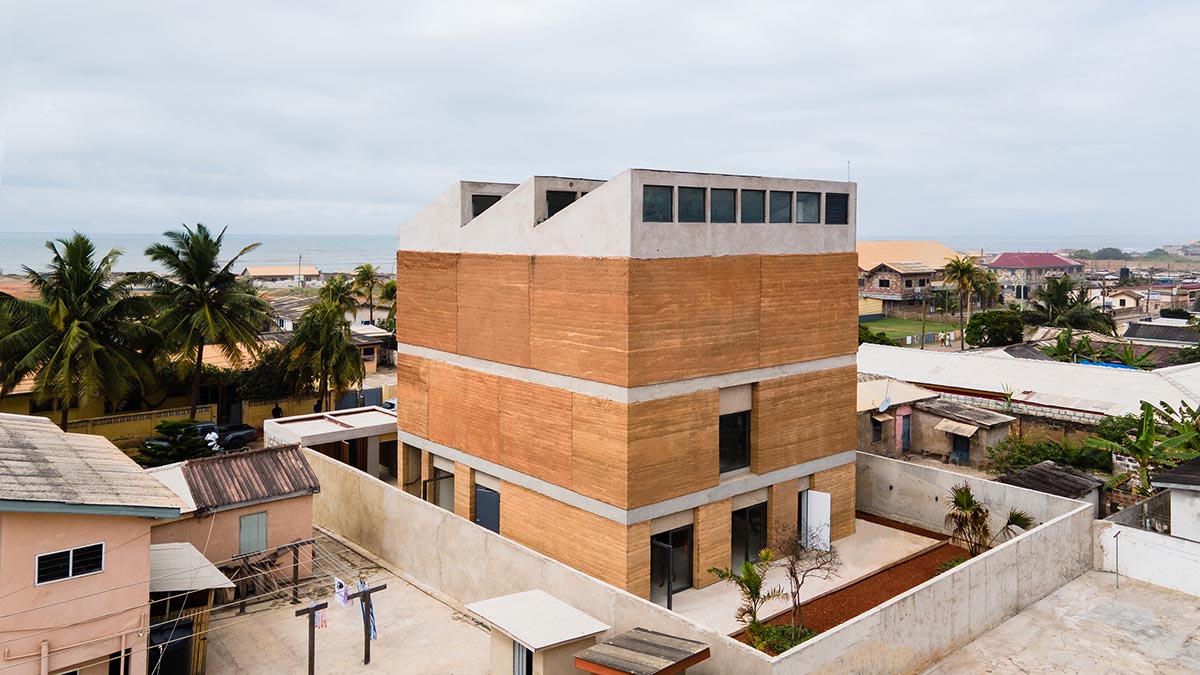
Christian Kwame De-Heer is the co-founder of Hive Earth, a Ghana-based company specialising in sustainable construction using locally sourced earth materials. His work focuses on advancing contemporary applications of traditional earth-building techniques, particularly rammed earth, through material innovation, experimentation and practical construction.

Working across Africa and internationally, Christian explores how indigenous building knowledge can be combined with modern design and construction methods to create more sustainable, accessible and affordable built environments.

He is also co-founder of the emerging HIVE Institute for Vernacular Ecology, an initiative dedicated to research, education and innovation in sustainable construction, with a particular focus on Africa and the Global South.

Selected work

  • Maison Bignon Sossou
    Maison Bignon Sossou, photo by Maison Bignon Sossou
  • Shippon Offices
    Shippon Offices, photo by Edem Tamakloe
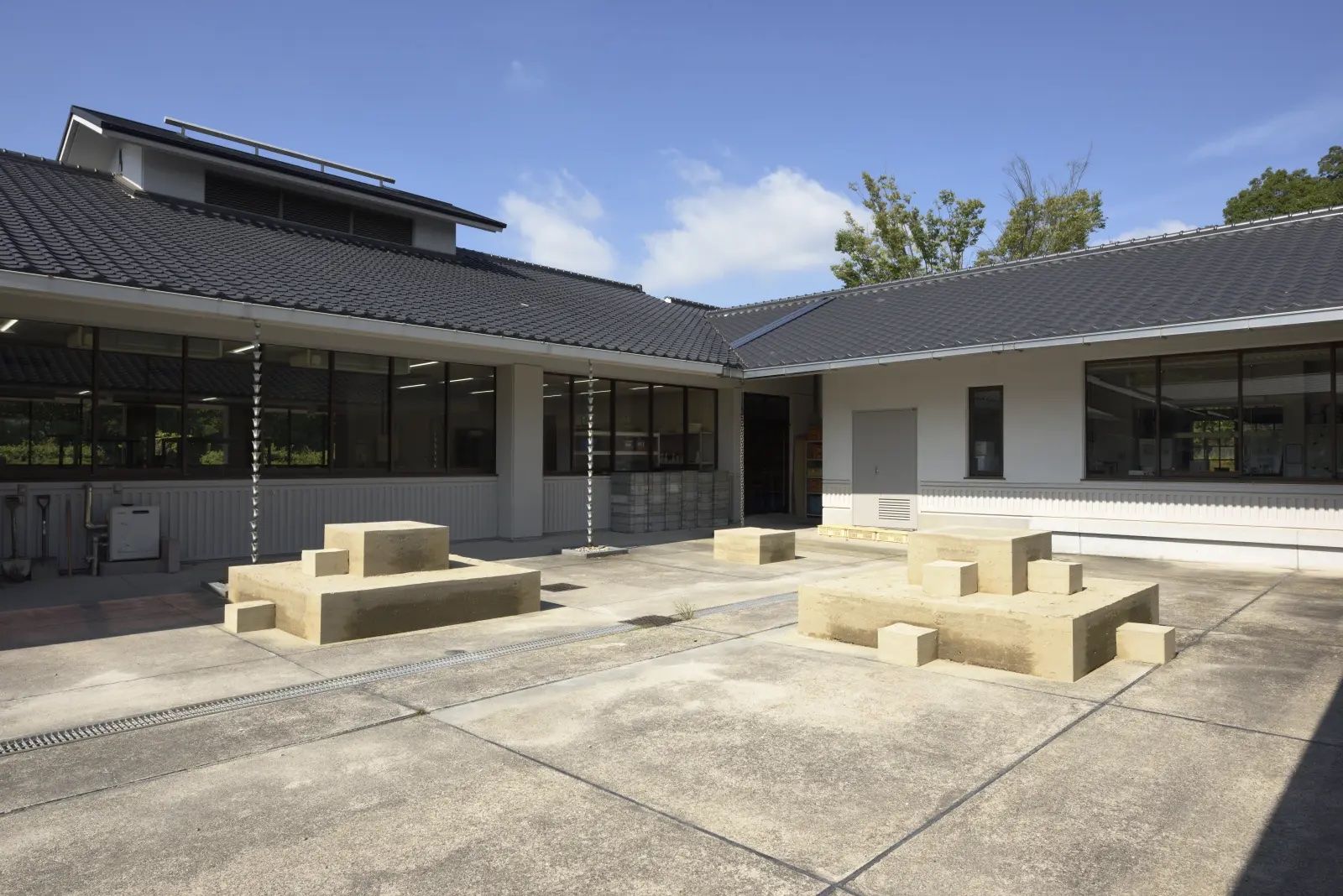
  • The Rammed Earth Project in Seto “Convex and Concave”
    The Rammed Earth Project in Seto “Convex and Concave”, photo by Ito Tetsuo

Organisers IAAC

The Institute for Advanced Architecture of Catalonia is a center of education, research, and innovation that envisions, designs, and prototypes the future—from Barcelona to the world. It bridges education and research to bring radical experiments into real-world applications, transforming ideas into material systems, building products, and urban technologies. Guided by a vision of a built environment in harmony with nature, IAAC’s initiatives contribute to a growing ecosystem of innovation, spanning advanced prototyping, product development, executive training, and sponsored research.

Call for Work (now closed)

Thank you for the huge response to our Call for Work which is now closed. We received over 240 submissions from 40 countries across 6 continents. The submissions are being peer reviewed by our panel of 70 international experts.

The brief for the Call for Work for FABRICATE 2027 was:

In line with FABRICATE precedent, all submissions must present innovation and or advancement on any aspect of the design and fabrication of built projects, involving either completed built projects, substantially prototyped projects, or stages in between. We particularly encourage submissions that speak to advances in fabrication and production methods, craft, ethics, circularity, democratisation of tools, material intelligence, reuse and localisation. We especially encourage experimental submissions from authors, institutions, industries and locations that have not submitted before.

Please see the full guidelines Submission Guidelines and Terms & Conditions.

Since 2011 London, Zurich, Stuttgart, Online Global, and Copenhagen

5
events
1,800+
delegates
45
countries
421,032
book downloads

Testimonials

  • FABRICATE 2024 offered a fantastic moment to reconvene our community and extend the conference’s long-standing commitment to innovation by opening new agendas on resource awareness, circularity, and reclamation that challenge our current ways of working.

    Professor Mette Ramsgaard ThomsenCITA
  • FABRICATE is a highly agile organisation bringing together cutting edge architectural and construction practice with academic research and innovation across architecture, design, material science and engineering, regenerative and circular practices. Every conference and book shifts the global dial.

    Professor Jane BurryDean, Civil Engineering and Construction Management, Adelaide University
  • FABRICATE stands out as a leading conference that meaningfully connects academic research with industry practice, making architectural innovation tangible through exemplary built projects.

    Kai StrehlkeDirector Blumer-Lehmann AG
  • At FABRICATE 2024 I had the honour to present to a large audience of scientists, designers, fabricators and entrepreneurs that are pulling our Architecture Engineering Construction sector into the future. Learning from the presentations of trailblazing innovators for 2 days was an audio-visual delight, memorable, deeply insightful, thought provoking, and inspiring.

    Franc MouwenEIC Program Manager | Construction | Climate tech
  • In an era where we are witnessing one of the biggest paradigm shifts in the conceptualization, making, and construction of buildings, FABRICATE celebrates and debates the most cutting-edge innovations in digital fabrication to impact architectural pedagogy, trans-disciplinary research, and applied professional practice in a changing world.

    Jenny SabinFABRICATE 2020 co-Chair
  • Thank you for inviting me to FABRICATE. I had a great time and hope to come back for the next one.

    Carl BassAutodesk